Signs You Need Crawl Space Repair
The first clue is usually a floor that doesn't feel right. Maybe it bounces when you walk across a certain spot, or the floor slopes toward an exterior wall. Doors and windows that stick for no obvious reason often trace back to a sagging joist or beam. Another common sign is a high humidity level in the crawl space—standing water after rain, mold on the insulation, or a musty smell that seeps into the living room.
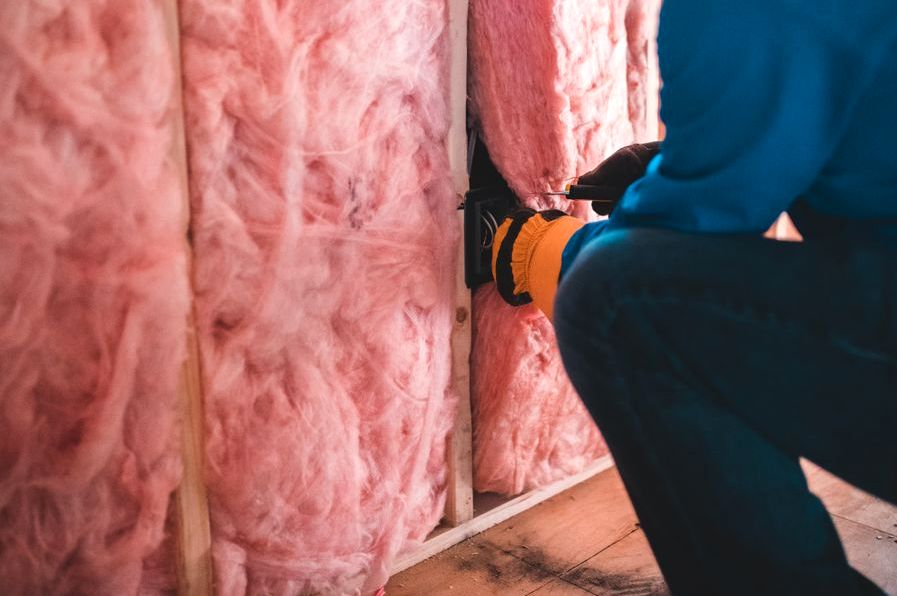
We also see homes where the rim joist has pulled away from the foundation. You might notice cold drafts near the baseboards in winter or higher energy bills. That's air infiltrating through gaps in the rim joist, pulling conditioned air out of the house and drawing in outdoor air. These warning signs are easy to ignore at first, but they compound over time.
What's Actually Happening Under Your Home
Over time, wood joists and beams can sag or rot from moisture. In Tallahassee's humid climate, with nearly 59 inches of rain a year, the crawl space stays damp for months—especially June through September, when monthly rainfall tops 7 inches. That moisture leads to wood decay and fungal growth. The joists lose strength, and the floor system begins to droop. The rim joist, which seals the gap between the foundation wall and the floor framing, can also pull away, creating slits that let outdoor air pour in.
Structural sistering addresses the sagging joists directly. We bolt new pressure-treated lumber alongside the damaged ones at 16-inch intervals, restoring the floor's load-bearing ability. For the beam, we use a hydraulic bottle jack and temporary shoring to lift it back to level, then install adjustable steel support posts on concrete footings to hold that elevation permanently. At the same time, rim joist air sealing stops air leakage: we cut rigid foam board to fit between joists, glue it in place, and seal the perimeter with two-component spray polyurethane foam.
How We Diagnose the Problem
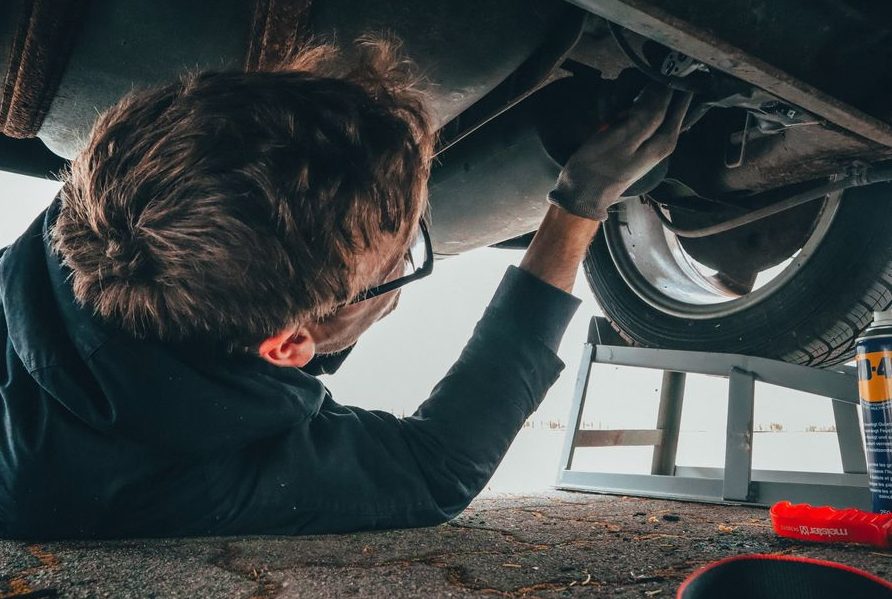
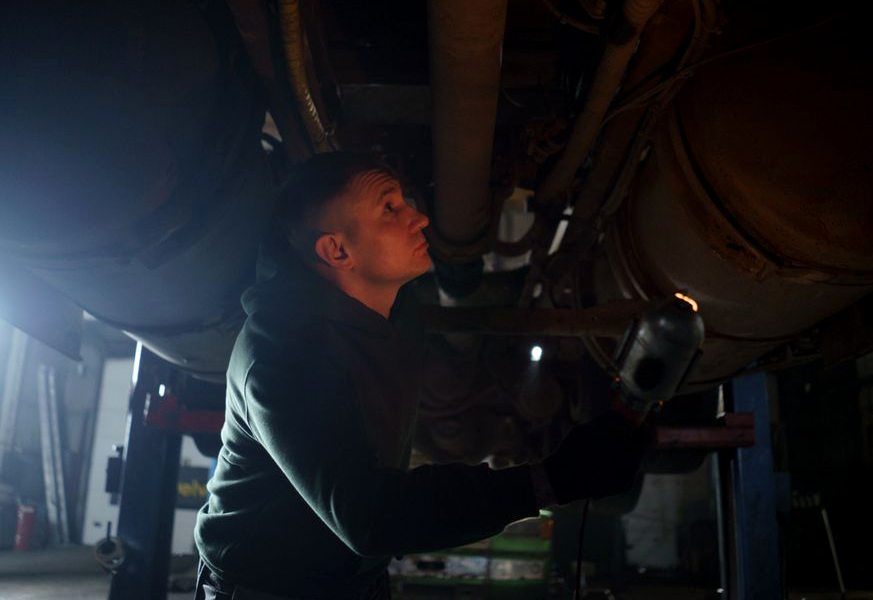
We start by crawling underneath and looking for obvious signs: sagging joists, cracked or rotted wood, gaps in the rim joist. We measure the current floor height with a laser level and check for moisture with a hand-held meter. If the floor slopes, we note how much—a 1-inch dip over 10 feet is common, but we've seen worse. We also look at the condition of the existing support posts: steel posts on concrete pads that have corroded or sunk can cause new settling.
For the rim joist, we run a smoke pencil along the perimeter to find air leaks. A steady stream of smoke drifting into the crawl space tells us where to seal. We don't guess—we mark every spot and come back with the foam. Diagnosis takes about an hour for a typical crawl space. We write down exactly what we find and show you photos so you understand what needs fixing.
Our Repair Method: Jacking, Sistering, and Sealing
First, we set up a hydraulic jack and temporary shoring to lift the sagging beam or joist back to level. We work slowly, raising it a quarter-inch at a time, checking for cracks or binding. Once it's level, we sister the damaged joist: sistering lumber (pressure-treated) is cut to length, fitted alongside the old joist, and bolted through at 16-inch intervals. For the beam, we install adjustable steel support posts on fresh concrete footings—those posts carry the load permanently so the sag never returns.
Next, we seal the rim joist. We cut rigid foam board to the exact width between joist bays, apply construction adhesive, and press it into place. Then we seal every edge with two-component spray polyurethane foam—it expands to fill gaps and hardens into an airtight barrier. This step stops air infiltration and prevents conditioned air from leaking into the crawl space. Finally, if the crawl space is part of a conditioned encapsulation plan, we install a sealed-combustion or exhaust-only ventilation fan to manage humidity without pulling in outdoor air.
What Crawl Space Repair Costs and What Drives the Price
For polyurethane foam leveling—which we use when the soil under a footing has settled—the price ranges from $5 to $25 per square foot. The exact cost depends on how deep the foam needs to go, the void size, and access conditions. A typical job might cover 20 to 50 square feet, but larger structural repairs (sistering, new support posts) are priced separately based on materials and labor.
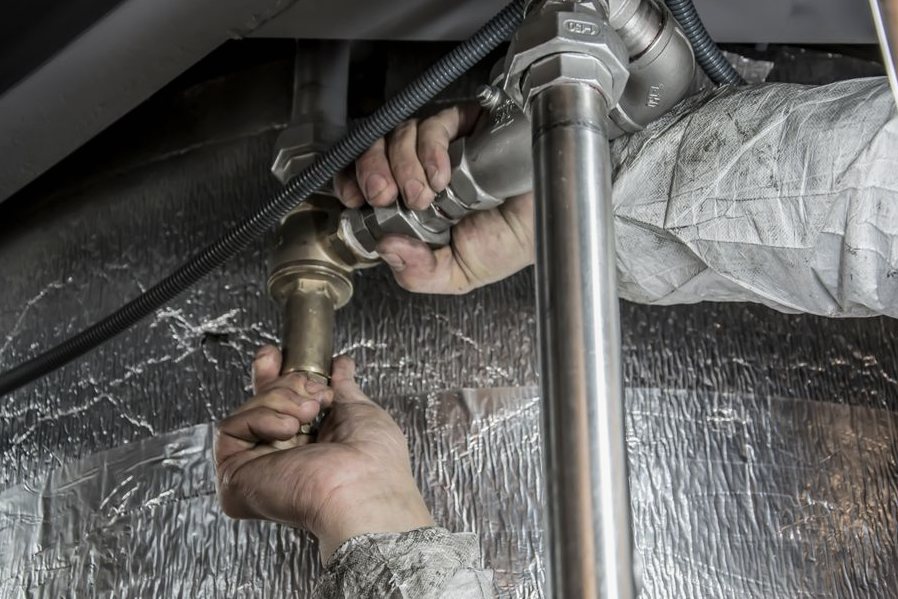
Sistering a joist runs a few hundred dollars per joist, including lumber, bolts, and labor. A new adjustable steel support post with a concrete footing adds more, but it's a permanent fix. Rim joist air sealing is relatively affordable—the foam and board cost little, but the labor takes time to do it right. We give you a detailed estimate before we start, breaking down each step so you know where the money goes. No surprises.
Local Factors: Soil, Permits, and Climate
In Tallahassee, the soil is mostly sandy clay, which drains okay but can shift when it gets saturated—something that happens often during our rainy season from June to September. That moisture front makes crawl spaces prime for wood rot and settlement. We size our support post footings based on local soil bearing capacity; most homes here need footings at least 12 inches in diameter and 12 inches deep, but we check your specific soil conditions.
Permits are required for structural work like sistering or adding support posts. We pull the permit for you and schedule the inspection. The city wants to see that the footings are poured correctly and that loads are transferred to undisturbed soil. We've done this work in Tallahassee for years, so we know the inspectors' requirements. A good repair also includes crawl space encapsulation in many cases—sealing the crawl space floor with a vapor barrier and installing the right fan to keep humidity under 50%. Crack repair and crawl space waterproofing often go hand in hand with structural repairs; we address water entry first so the wood stays dry.
Tallahassee Conditions That Matter
What working in Tallahassee actually means for the job:
Climate
- Annual heating degree days (base 65 °F): 1473. NOAA Climate Normals 1991–2020.
- Hurricane/storm exposure: medium.
- Annual precipitation ~58.8 in. Rainy season June–September; wettest month June (~7.8 in), driest November (~3.1 in). NOAA Climate Normals 1991–2020.
- January avg low 40.5 °F. July avg high 92.1 °F. Seasonal range ~52 °F. NOAA Climate Normals 1991–2020.
Soil & Ground
- EPA radon zone: 3 (soil-gas indicator).
- Dominant soil: Foxworth (S). Moderately well drained. Source: USDA NRCS Web Soil Survey.
Local Notes
- Median home value $276,000. Source: U.S. Census ACS.
- Housing tenure: 40% owner-occupied, 60% renter-occupied. Source: U.S. Census ACS.
- Median household income $55,931. Source: U.S. Census ACS.
- Serving Tallahassee, FL and surrounding communities.
What the Work Involves
A visual look at what the service involves.
From First Call to Finished Job
-
Reach Out
Tell us what you're seeing and when it started — you'll get a straight answer, not a sales pitch.
-
On-Site Inspection
A tech inspects the problem in person — no guessing from photos, no drive-by quotes.
-
Know the Price First
We put the fix, the timeline, and the number on paper — take your time with it.
Depending on what we find, that can mean:
- Push piers driven in sequence to refusal on a load-bearing stratum
- Torque-to-capacity correlation logged on every helical pier install
What It Typically Costs
Typical ranges, not a fixed price - the exact number is confirmed in writing before work starts.
$300–$600
$2200–$8100
Frequently Asked Questions
What causes foundation settling in Tallahassee?
In Tallahassee, settling comes down to the local ground conditions: EPA radon zone: 3 (soil-gas indicator). Dominant soil: Foxworth (S). Moderately well drained. Source: USDA NRCS Web Soil Survey.
How is polyurethane foam leveling different from mudjacking?
Foam leveling injects an expanding polyurethane through dime-sized holes; it is lighter, cures in under an hour, and resists washing out, but costs more per square foot. Mudjacking uses a heavier cement slurry and costs less but can settle again over time.
Are stair-step cracks in brick serious?
Stair-step cracks that follow the mortar joints in brick or block often indicate differential settlement and should be evaluated, especially if they are wider than a quarter inch or still growing.
Why have my doors and windows started sticking?
When a foundation settles unevenly, the frame of the house racks slightly out of square, which binds doors and windows. It is one of the earliest noticeable symptoms of movement.
Can foundation problems wait, or are they urgent?
Foundation movement rarely stops on its own and usually worsens with each wet-dry cycle, so delaying tends to raise the eventual cost. An early inspection keeps options open and repairs at the lower end of the range.
Will fixing my foundation stop water in the basement?
Structural repair and water control are related but separate. Sealing cracks helps, but persistent basement water usually also needs drainage measures such as interior drain tile and a sump system.
What happens during a foundation repair estimate?
A proper estimate includes a walk-through of the symptoms, a manometer or elevation survey, and a review of soil and drainage conditions, followed by a written scope with pier count, method, and price. Be cautious of any quote given without measuring the differential.
Other Things People Ask
How deep do foundation piers go?
There is no fixed depth. Piers are advanced until they reach soil or rock that can carry the load, which can be a few feet or more than thirty depending on the site. A soil bearing test sets the target before installation.
Will repair close the cracks I can already see?
Lifting a settled foundation back toward level closes most cosmetic cracks on its own. Any remaining hairline cracks are sealed once the structure is stable so they don't reopen.
How long does a typical foundation repair take?
A pier installation on an average home runs one to three days depending on access and the number of piers. Crack injection or slab leveling usually finishes in a single day.
Do I need to move out during the repair?
Most repairs are done from the perimeter or crawl space and don't require leaving home. For a large interior lift with significant floor disruption, staying elsewhere for a night can be more comfortable.
What is a manometer survey and why is it done first?
A manometer maps the floor's elevation across every room to show exactly where and how much the structure has settled. Without it there is no way to spec the correct pier depth or calculate how much lift to apply.
Areas We Serve
Serving Tallahassee, FL. Call (448) 666-7478 to confirm coverage for your address.
Other Services We Offer
Why Tallahassee Homeowners Call
Need help today? Call (448) 666-7478.